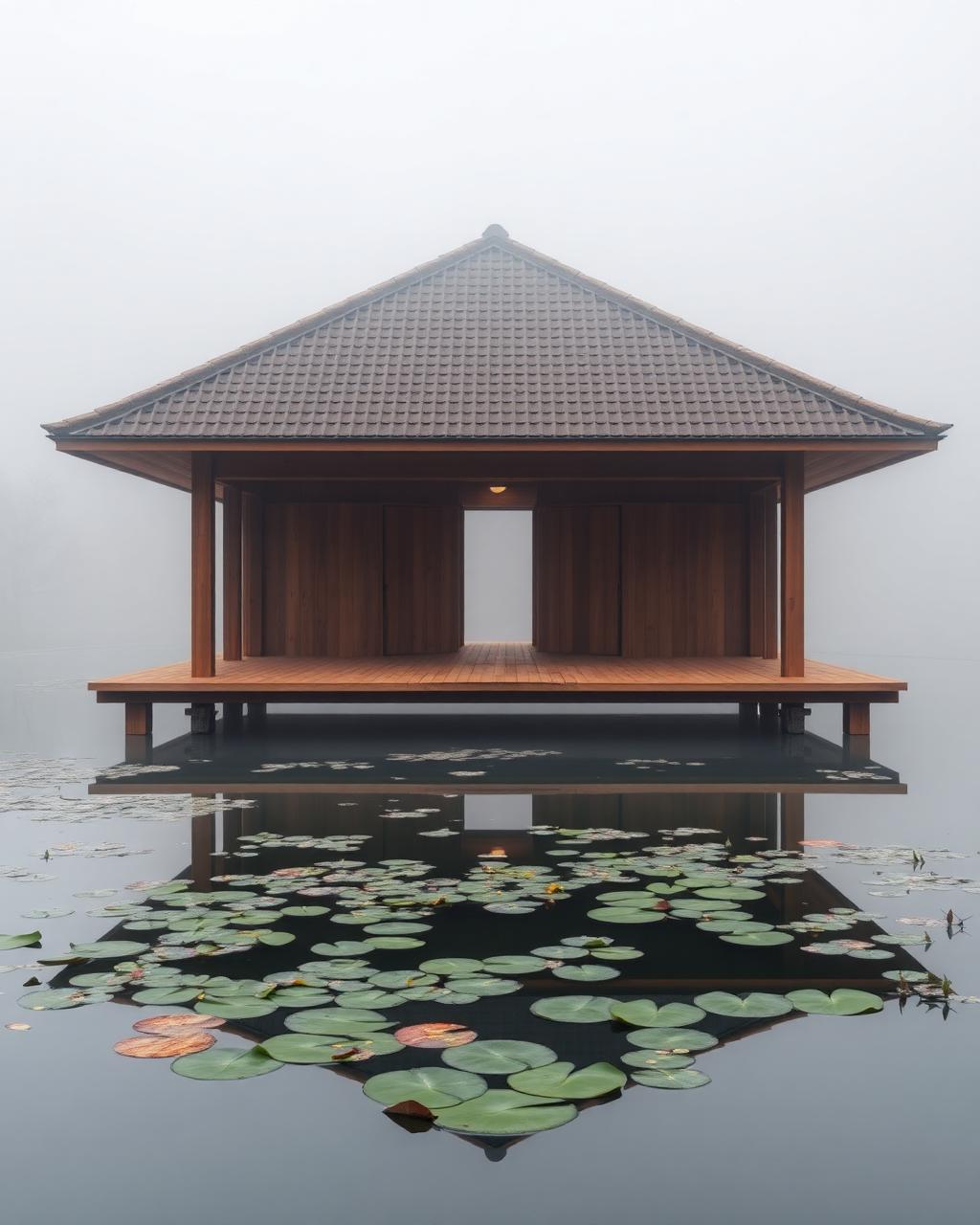
A sanctuary for the next century.
Aranya is not a resort. It is a multi-decade research project into how humans might dwell on a warming planet — softly, beautifully, with reverence for what was here before us.
We believe the future of tourism is not more. It is fewer guests, longer stays, deeper participation, and measurable regeneration.
The Bengali delta is one of the most biodiverse, fragile, and culturally rich landscapes on earth. It is also among the most threatened. Aranya was founded as a quiet act of resistance — a wager that beauty, science, and slow hospitality could become a model for the rest of the region.
Every cabin, every research project, every meal served from our gardens is calibrated to leave the land more alive than we found it. Our metrics are soil organic carbon, bird counts, water clarity, and the number of villagers employed at fair wages.
You are invited not to consume an experience, but to participate in a long, beautiful experiment.
What we hold to.
Listen first
Every intervention begins with a year of observation — water, wind, soil, light.
Local hands, global mind
All architecture and craft is made within 30km of the site, by hands that have known this land for generations.
Subtract before adding
We restore wetland and forest before we ever break ground for a new structure.
Open the laboratory
Our research is published openly; guests are invited into the lab as collaborators, not spectators.
Slow is the future
We measure success in soil health, biodiversity and stories — not occupancy rate.
Leave it better
Every guest stay funds a measurable act of restoration in the wider delta.
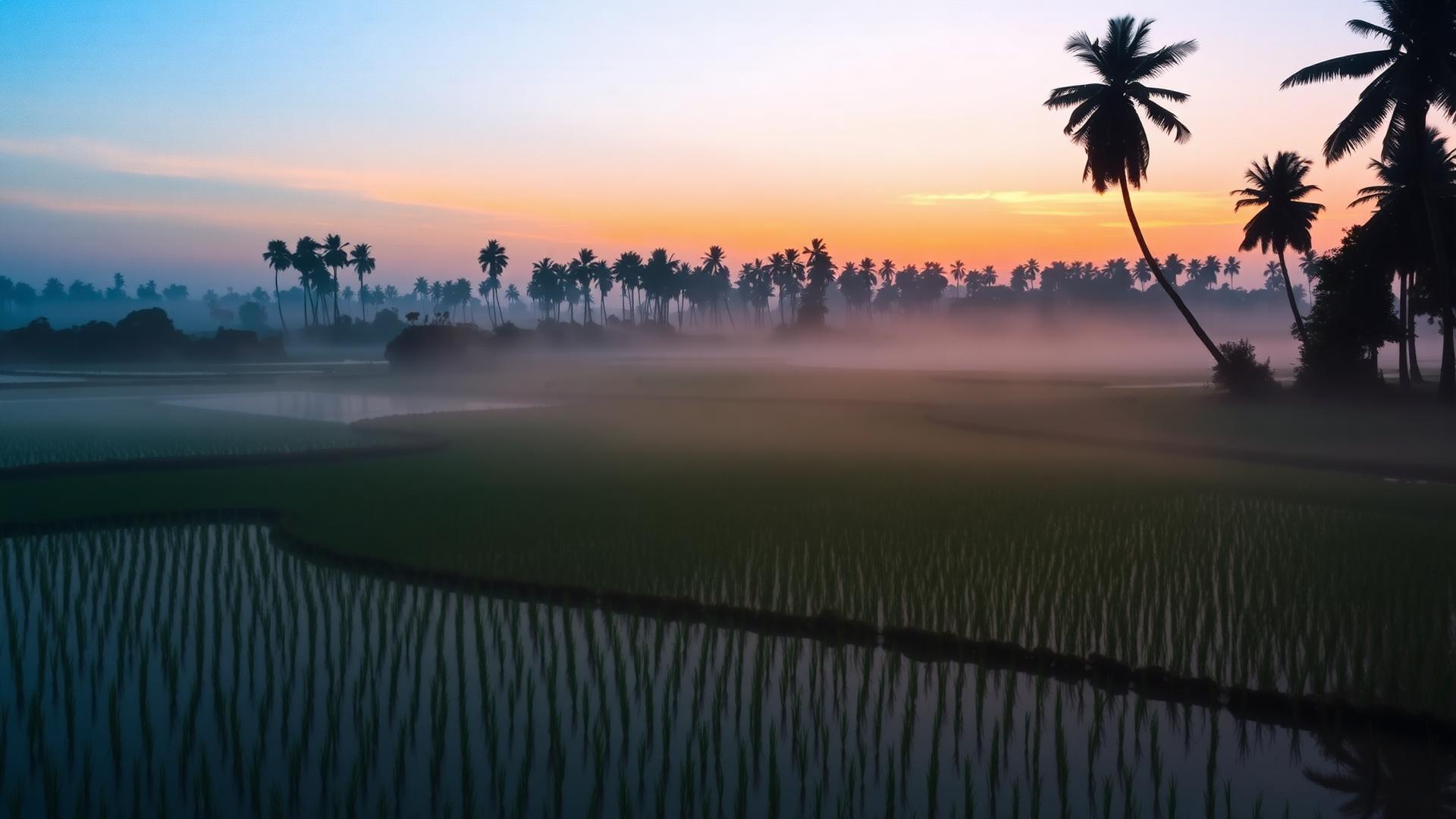
“A garden is a love story. A laboratory is a question. We are trying to live inside both.”
— Founders' note
Seven seasons of patient work.
Land returned to wetland
60 hectares of degraded shrimp farmland purchased and rewilded.
First cabin
The Pavilion, a bamboo-and-teak structure built without concrete foundation.
Eco-lab opens
Field research into mycelium bricks and water hyacinth textiles begins.
Doors open
The full sanctuary welcomes its first season of guests and researchers.