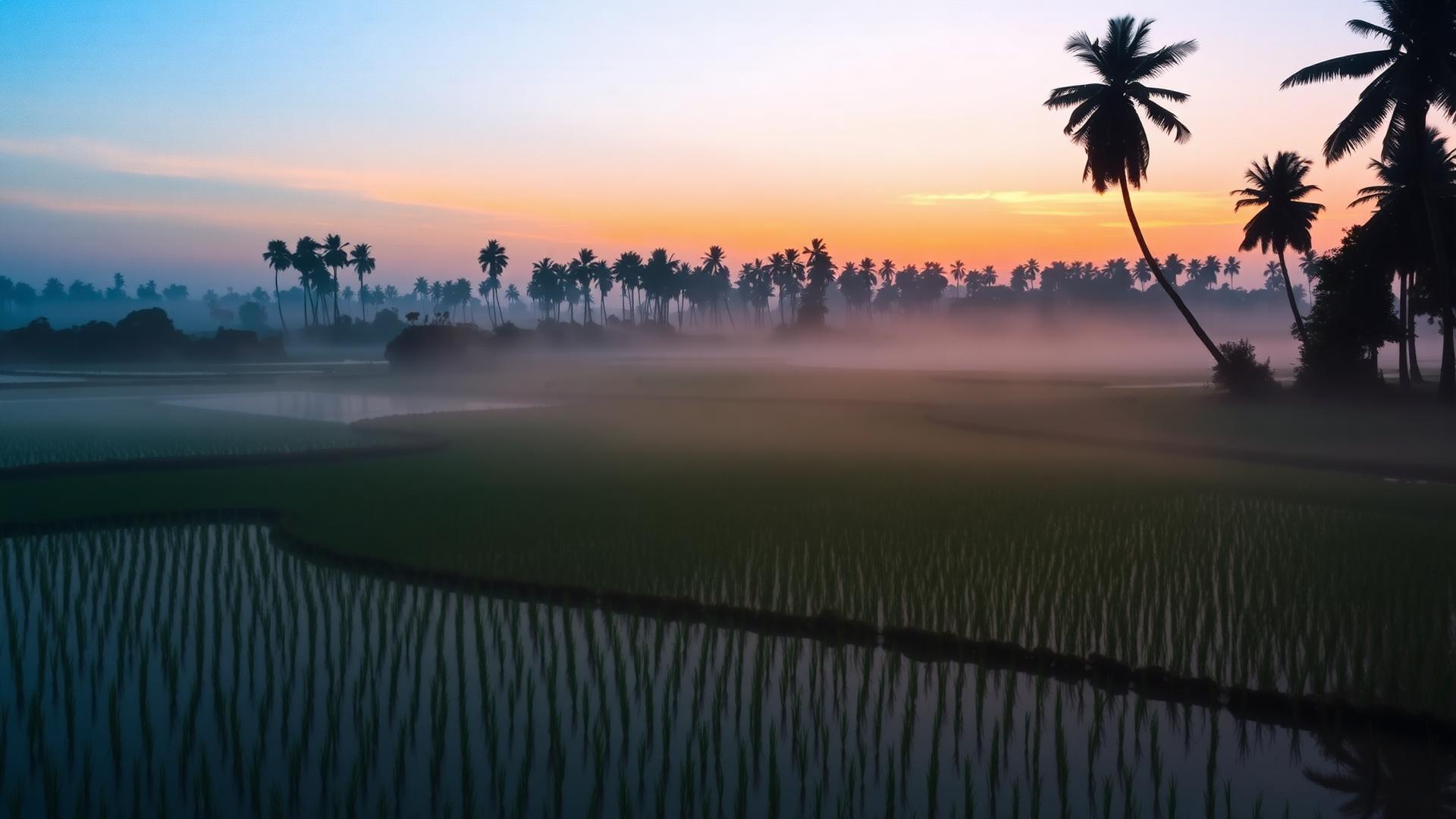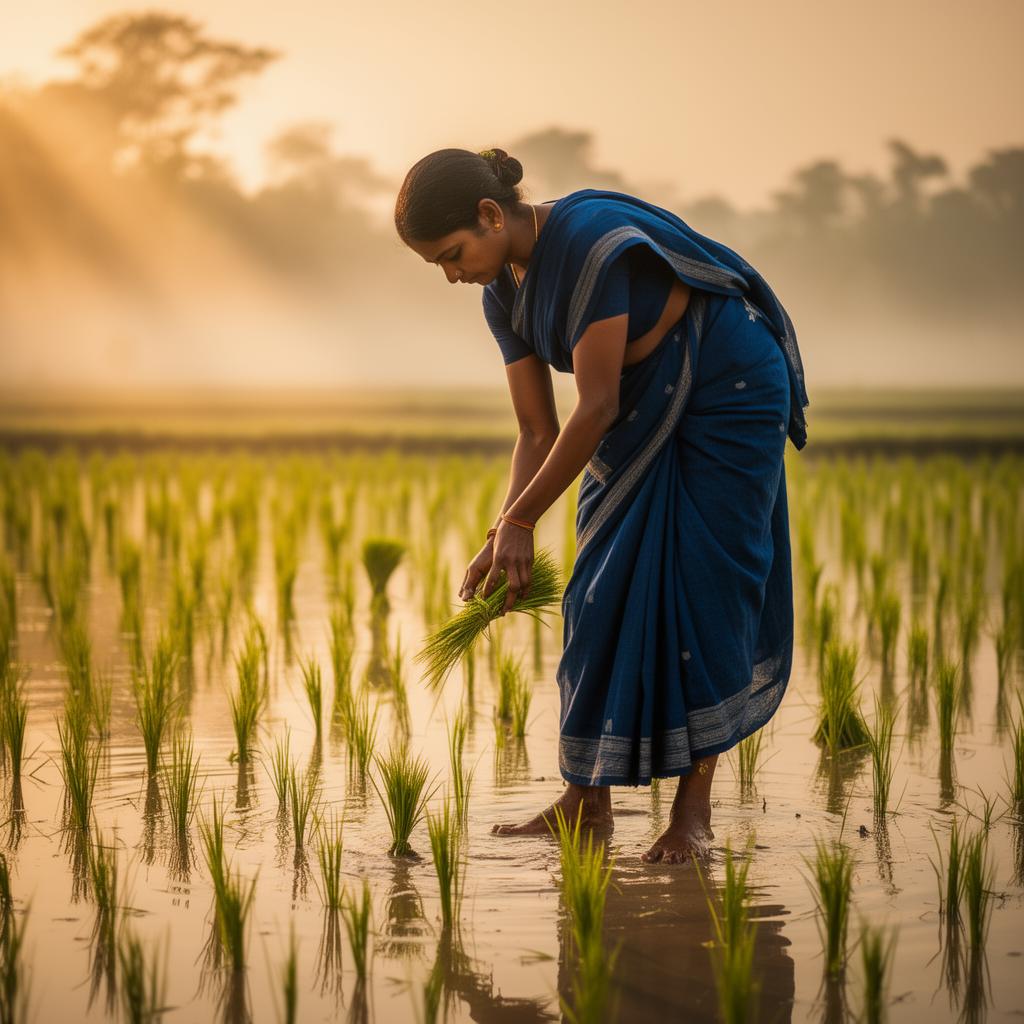
Reconnect with soil, water
and life.
Twelve hectares of organic cultivation, a lake full of carp, a village that still keeps time by the harvest. You are invited — at the pace the season asks for.
We do not stage rural life. We invite you inside it — to the rhythm of seed, harvest, fire and rest that has shaped this delta for a thousand monsoons.
Experiences shaped by the land.
Choose one, or let the week unfold across many. Each is led by a farmer, naturalist or village elder.
 01
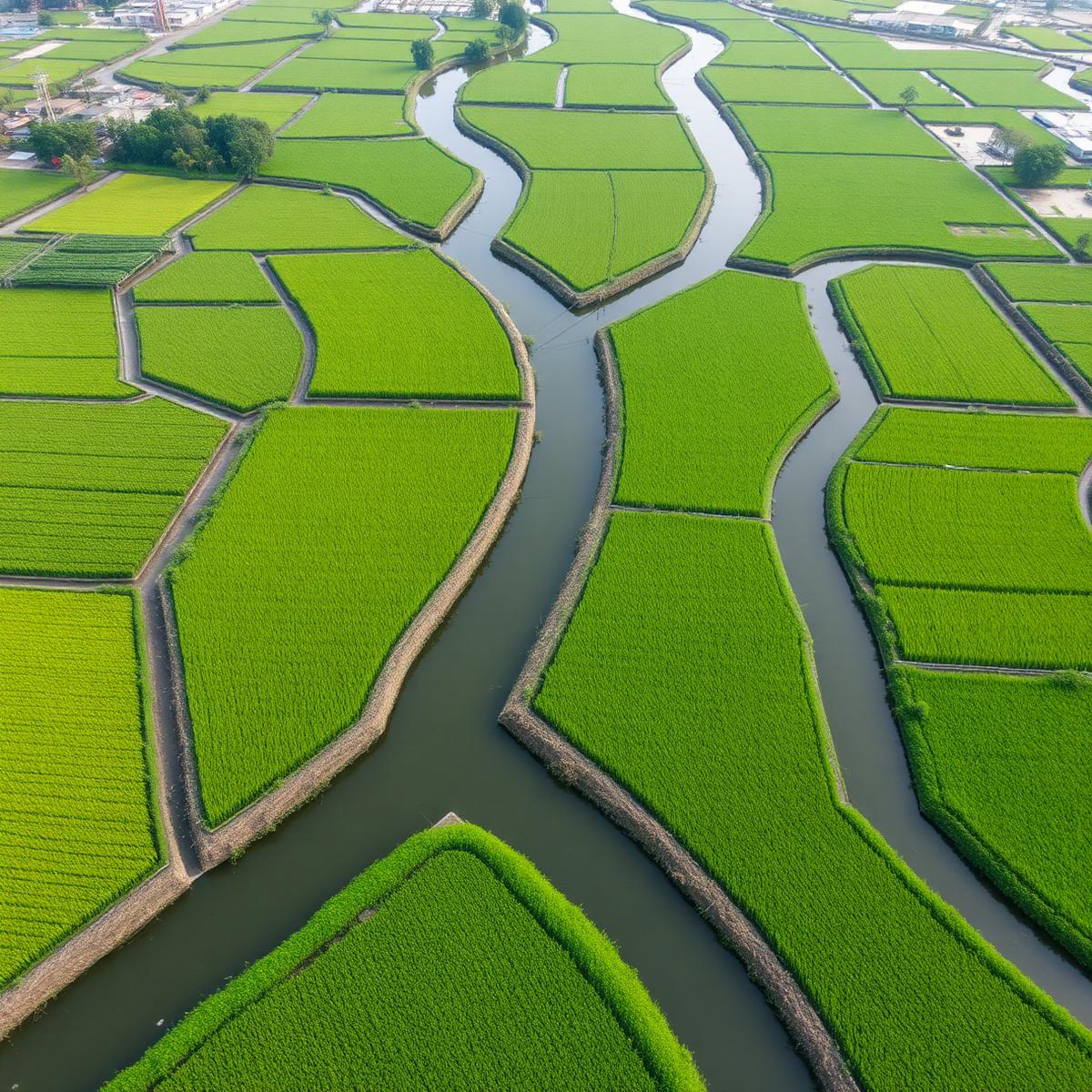
01Organic gardening
Tend twelve hectares of biodynamic beds. Mulch, weed, sow, listen.
 02
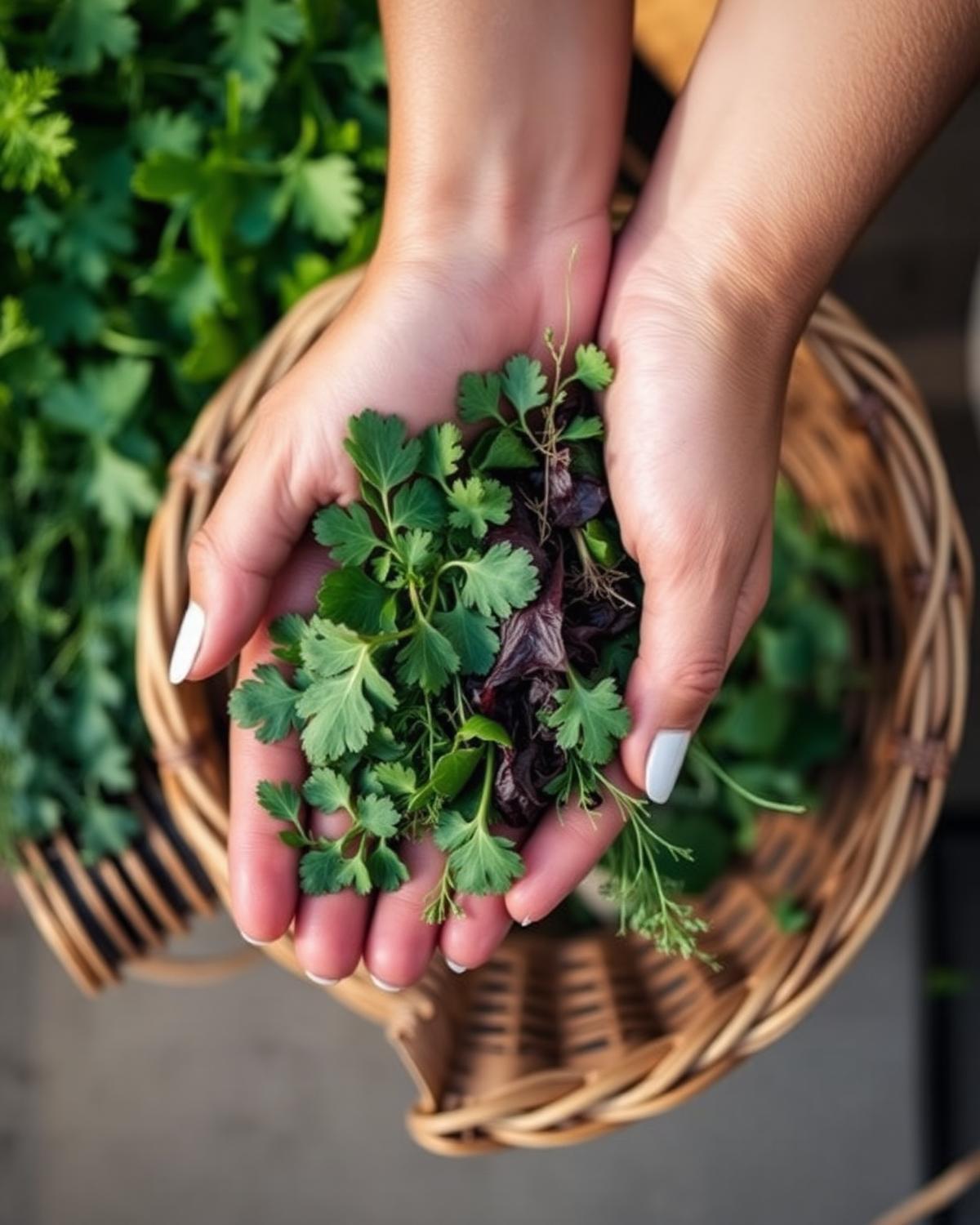
02Seasonal harvesting
Cut, pull, climb, gather — whatever the calendar is offering this week.
 03
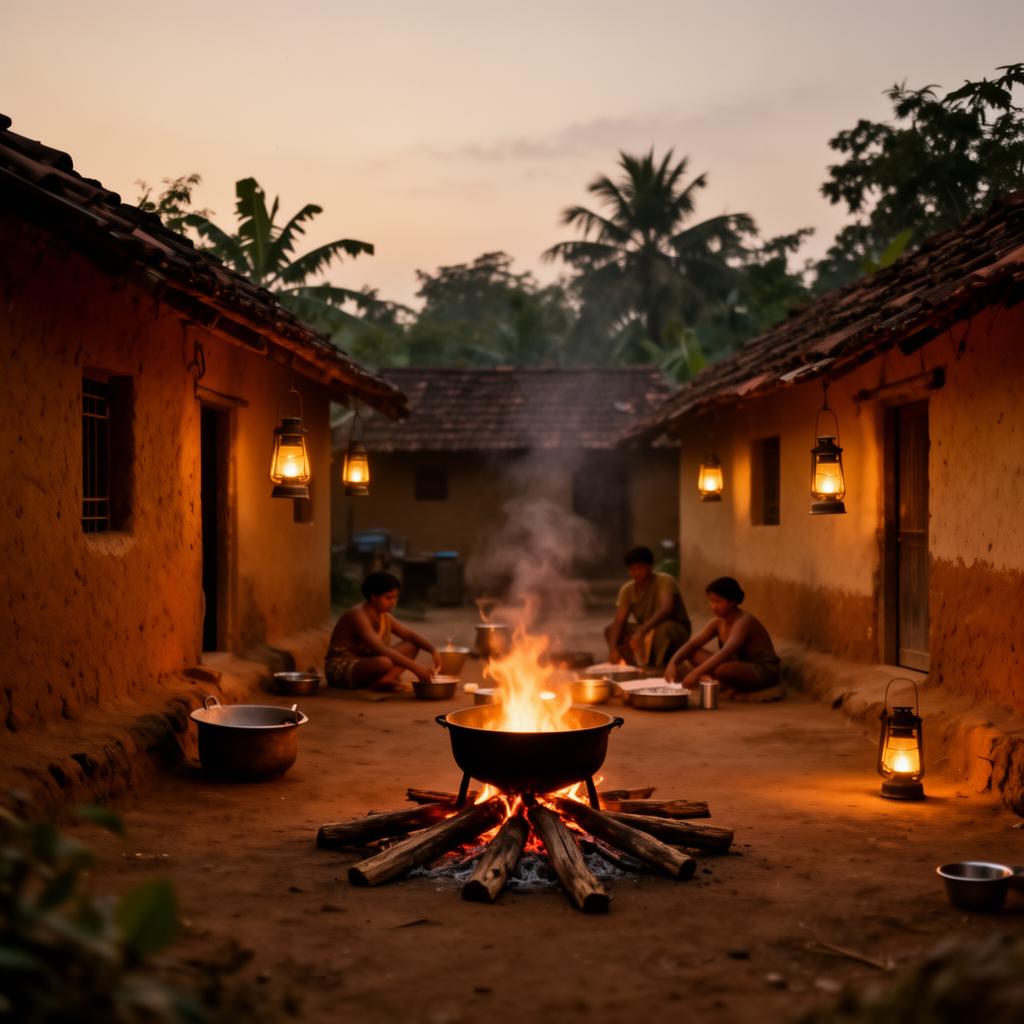
03Village farming
A day inside a working homestead — buffalo, paddy, courtyard, well.
 04
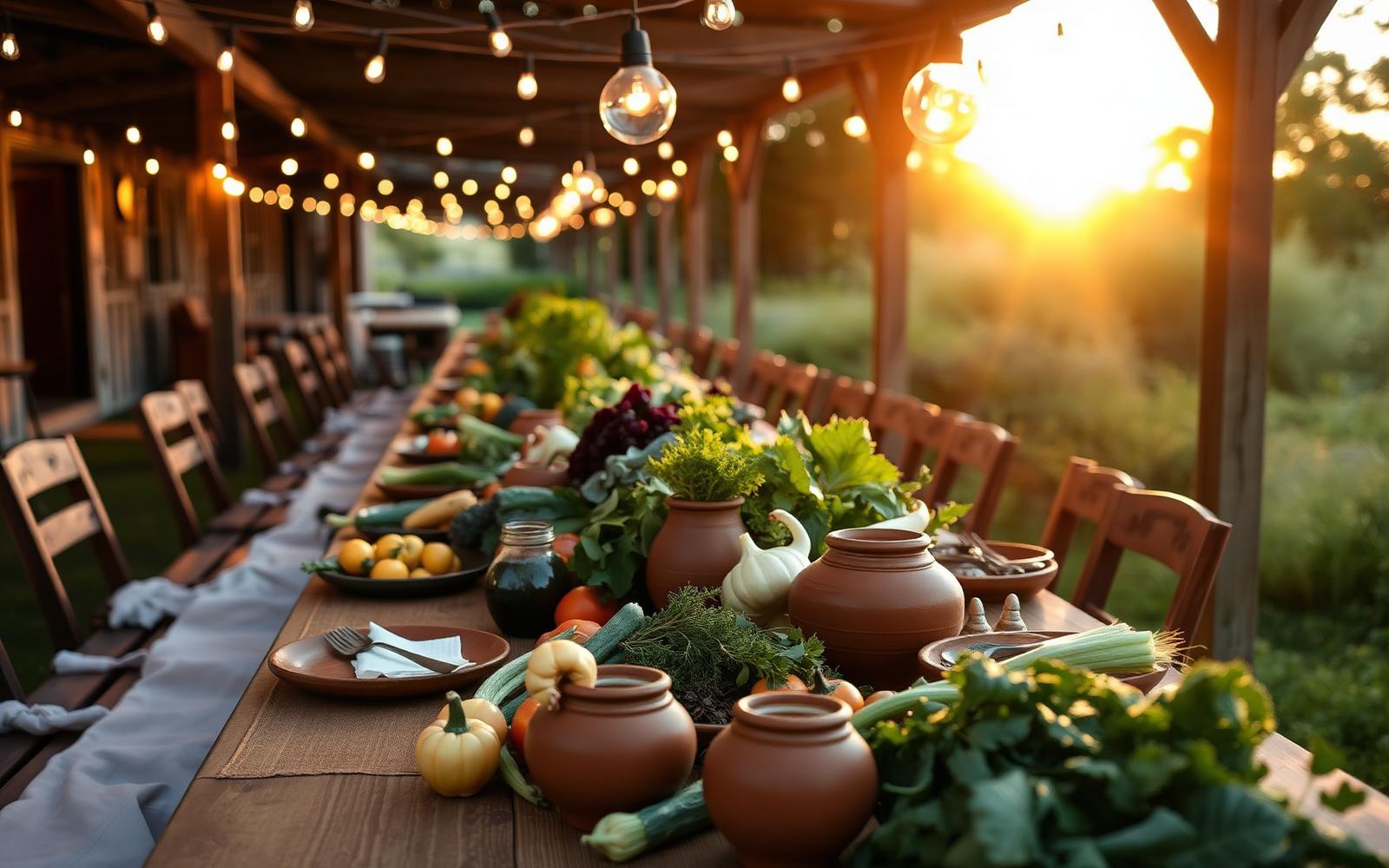
04Farm-to-table
From bed to clay oven in three hours. You harvest. The cook listens.
 05
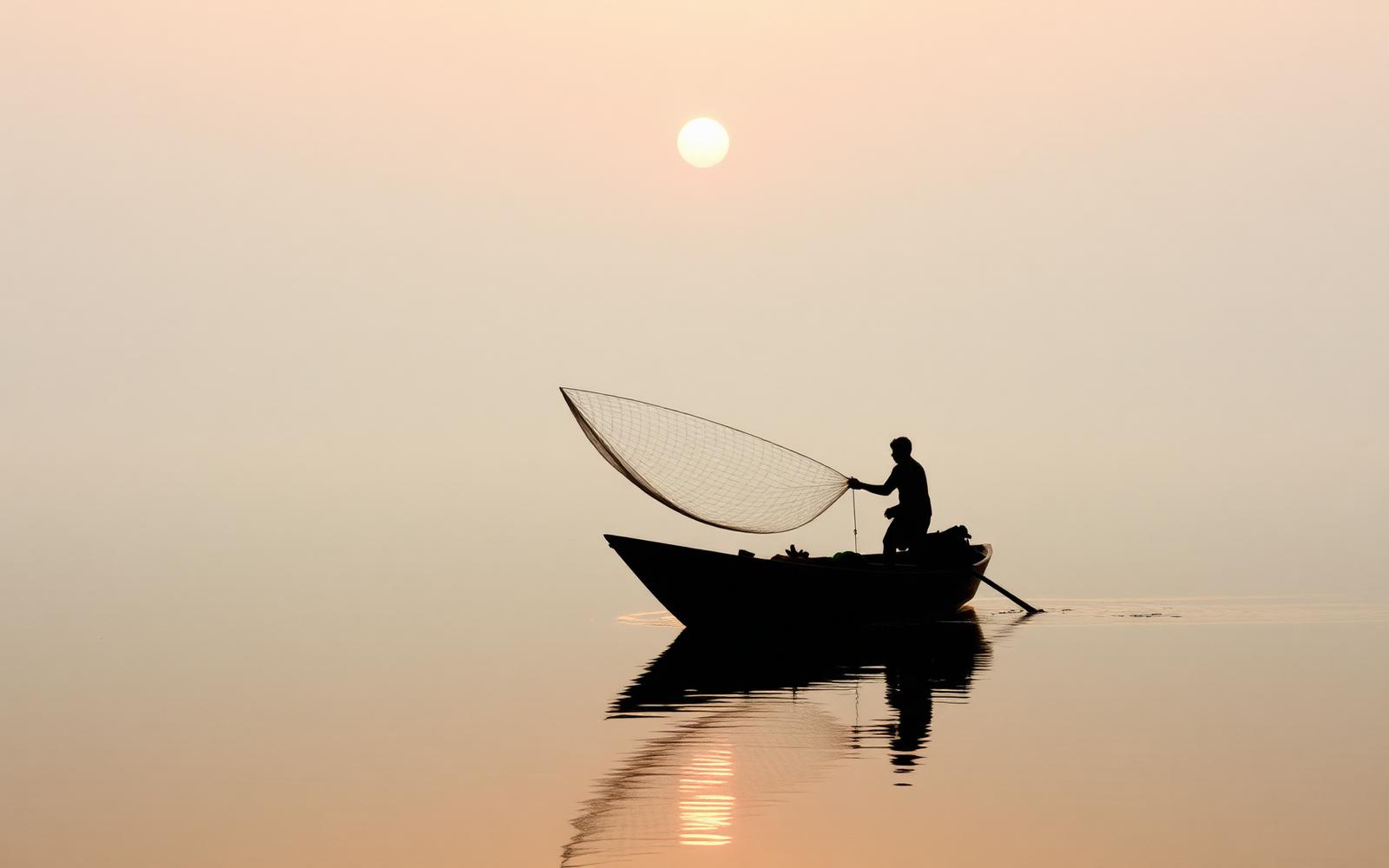
05Lake fishing
Bamboo rod, hand-thrown net, silent dawn — only what the lake offers.
 06
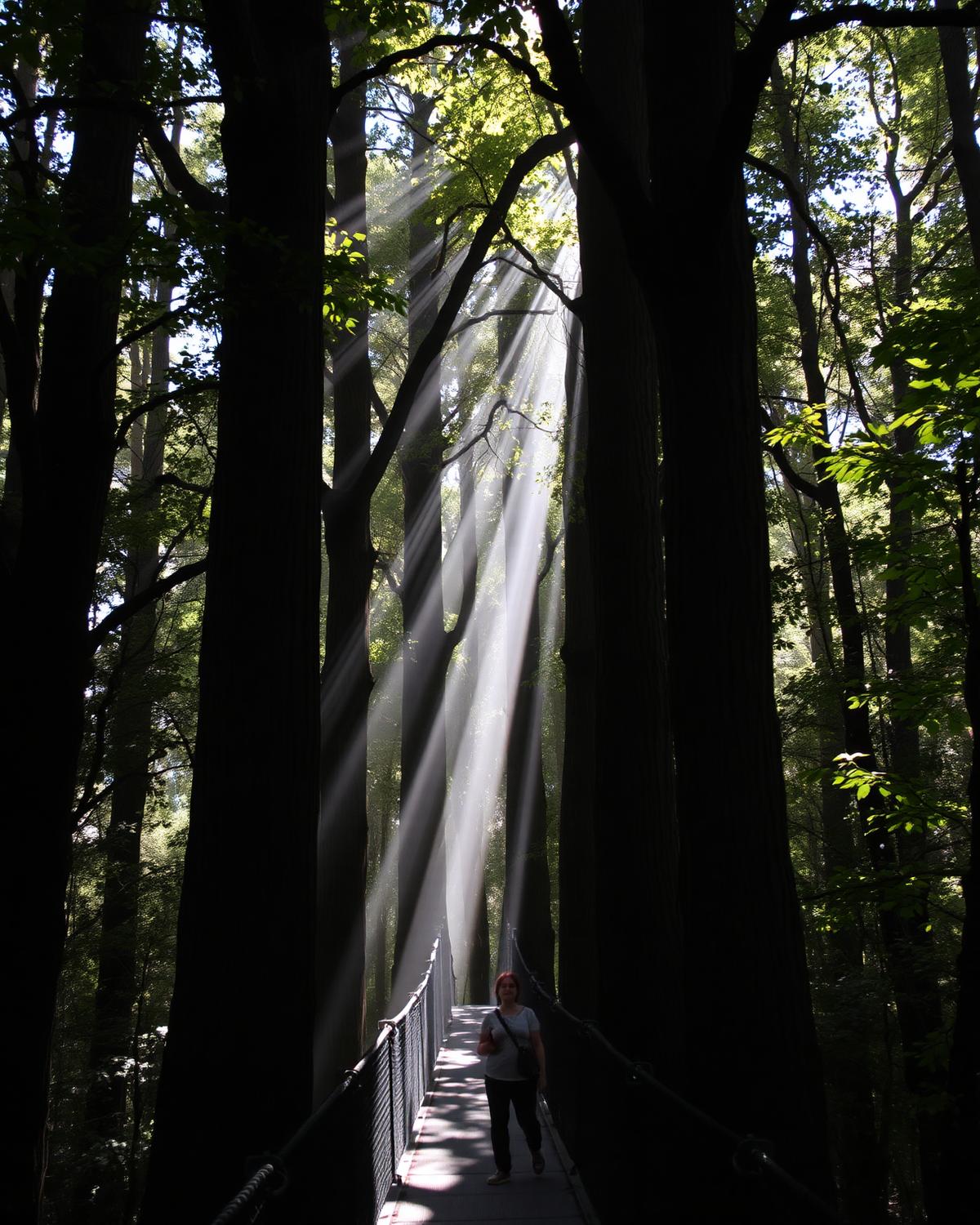
06Nature walks
Wetland trails with naturalists who know every bird call and root.
 07
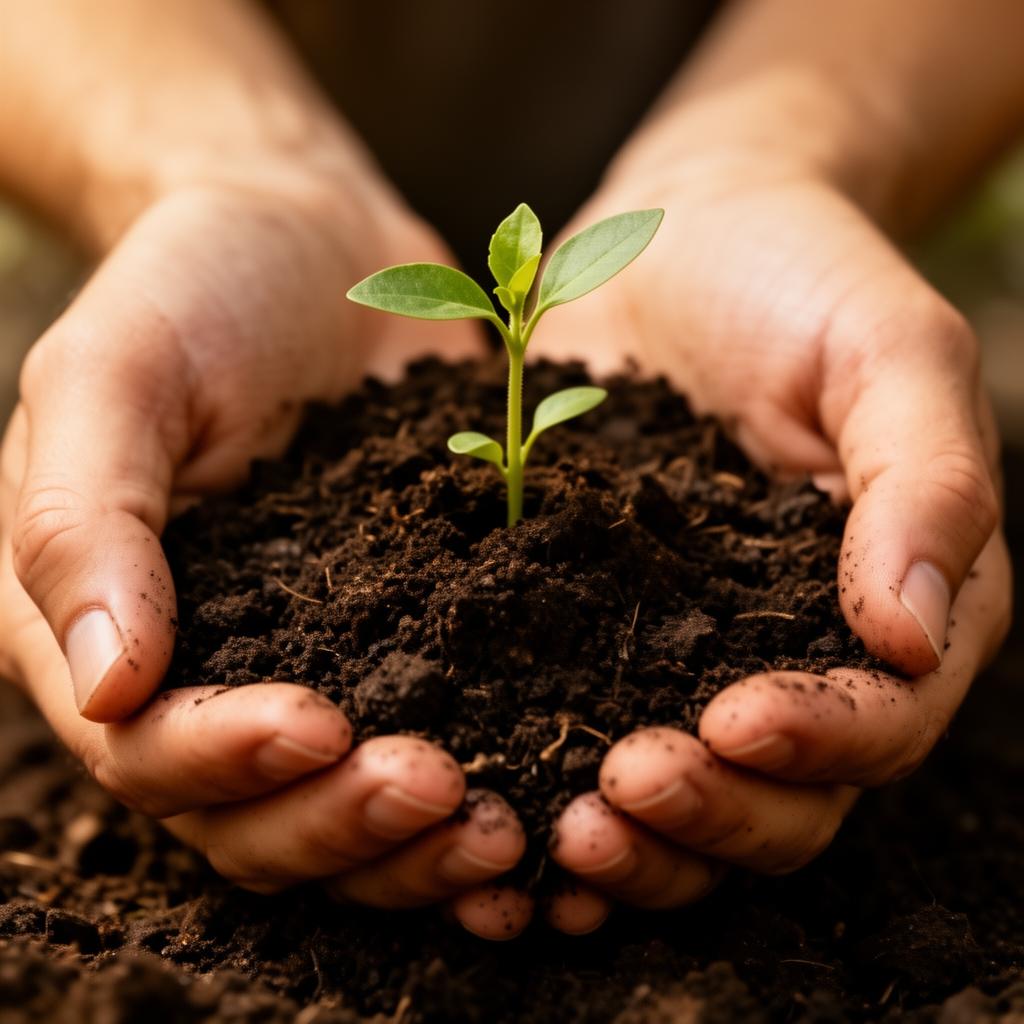
07Eco learning
Compost, seed-saving, water cycles — open classrooms in the field.
08Local culture
Baul music, weaving, oral storytelling — held by the village, not staged.
 09
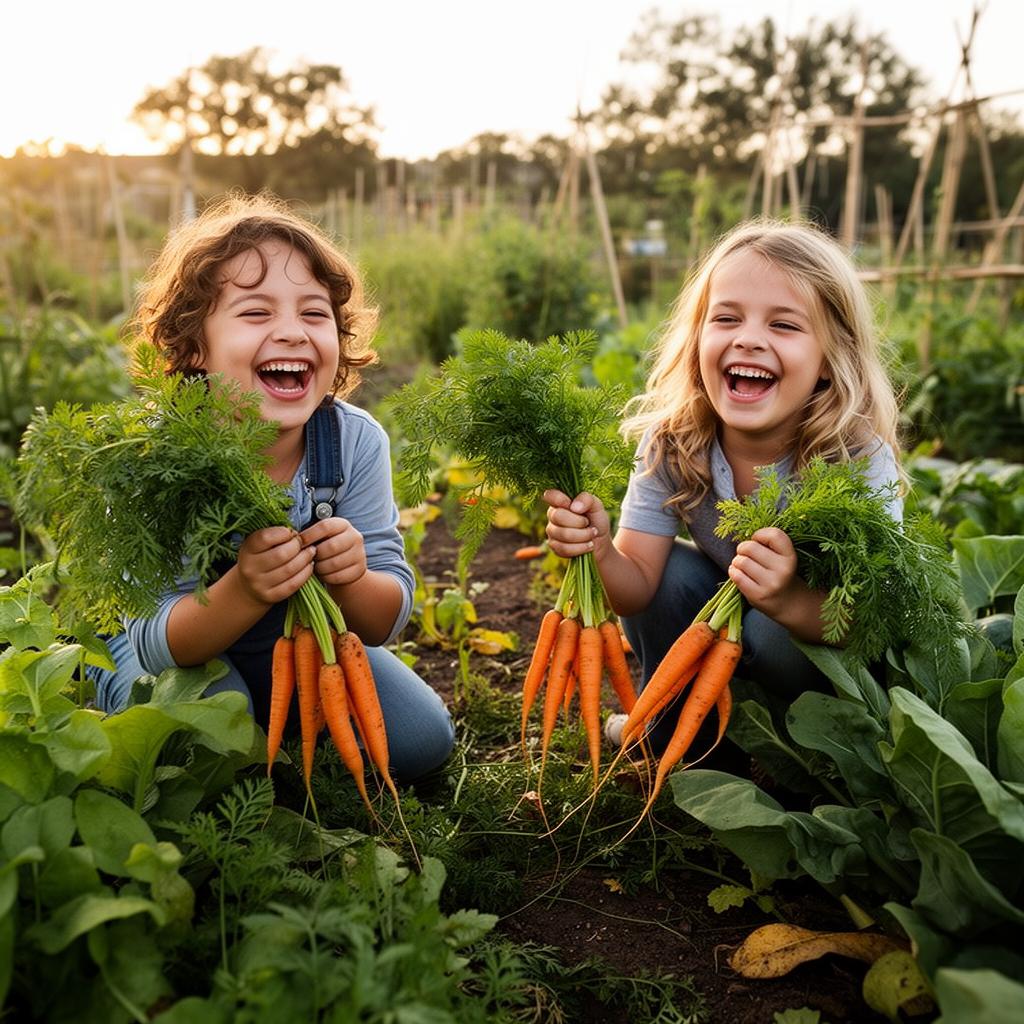
09Children's eco-school
Mud play, frog ponds, planting beds. The earth as the only teacher.
Hours measured in light, not minutes.
- 05:30
Soil meditation
Walk barefoot through the dew gardens with a naturalist. The day begins with listening.
- 07:00
Harvest hour
Cut greens, pull tubers, climb for jackfruit. Whatever the season has woken.
- 10:00
Workshop
Seed library, ferment school, or paddy planting — depending on the calendar.
- 13:30
Clay-oven lunch
Cooked on woodfire from this morning's harvest. Long table under the mango tree.
- 16:30
Lake hour
Cast a net, drift in a country boat, or simply sit and watch the water shift colour.
- 19:00
Village circle
Baul song, fire, kheer in clay cups. The day closes the way it has for centuries.
The earth is the only teacher.
Our children's eco-school runs every morning of the season. No screens, no whiteboards — only mud kitchens, frog ponds, seed beds and the slow magic of watching something you planted grow into something you can eat.
Led by Montessori-trained naturalists and village grandmothers. Ages 4 to 14. Parents welcome to listen.
The Bengali year, in six movements.
Boshonto · Spring
Mustard, lentil, tomato, mango blossom
Seed exchange with neighbouring villages
Grishmo · Summer
Jackfruit, lychee, hyacinth, jute
Dawn harvest, sunset clay-oven supper
Borsha · Monsoon
Rice paddy, water spinach, lotus stem
Boat market, fermentation week
Sharod · Autumn
Pulses, coriander, gourd, papaya
Open-fire community feast
Hemonto · Late Autumn
Date palm, jaggery, winter greens
Patali gur ritual, jaggery making
Sheet · Winter
Cauliflower, peas, citrus, herbs
Pickling, drying, archive
"We do not perform the village. We sit in its courtyards, share its food, and learn what slowness truly means."
— Roksana Bibi, host & elder, Char-pakhi village
Begin your slow week
Come with empty hands.
Leave with soil under your nails.