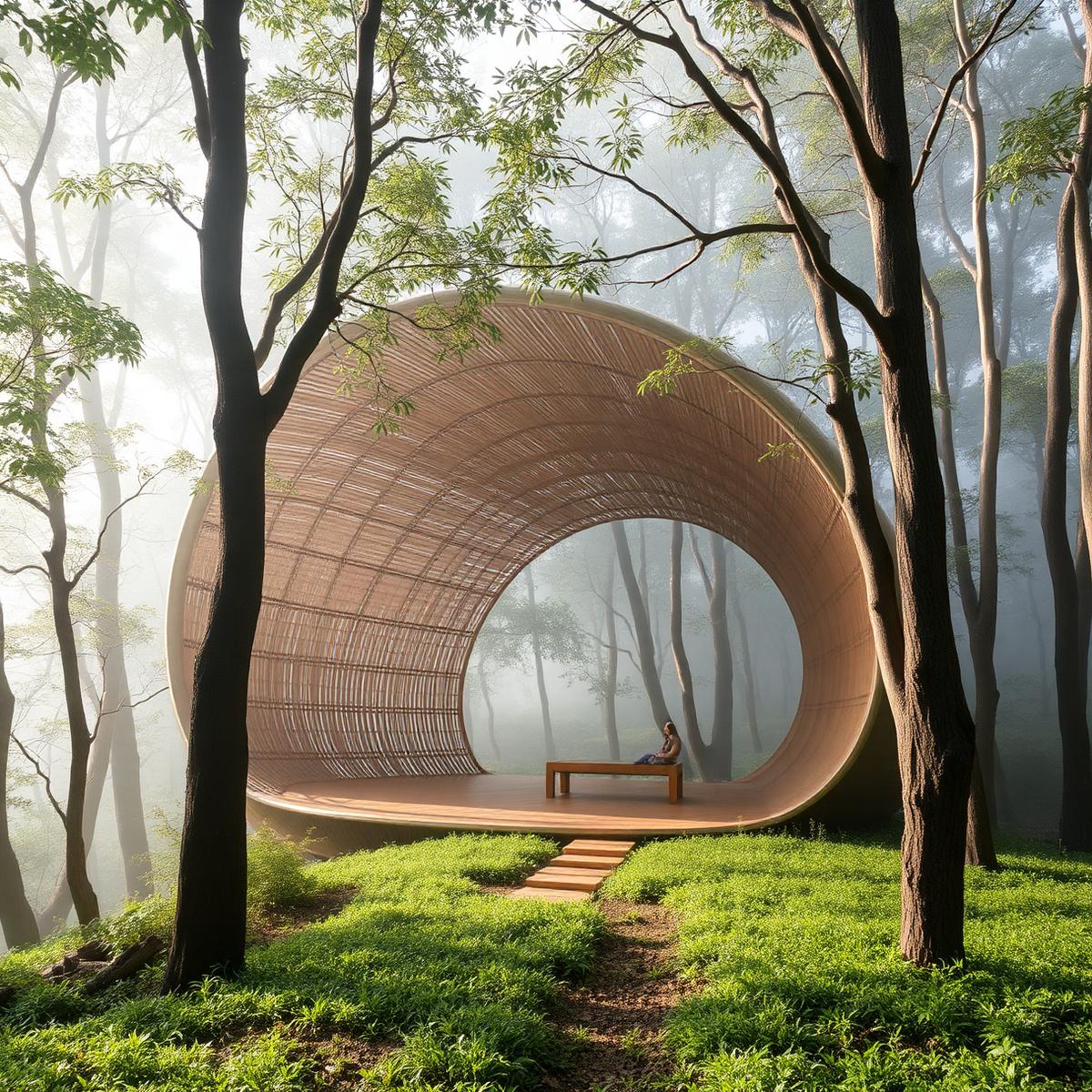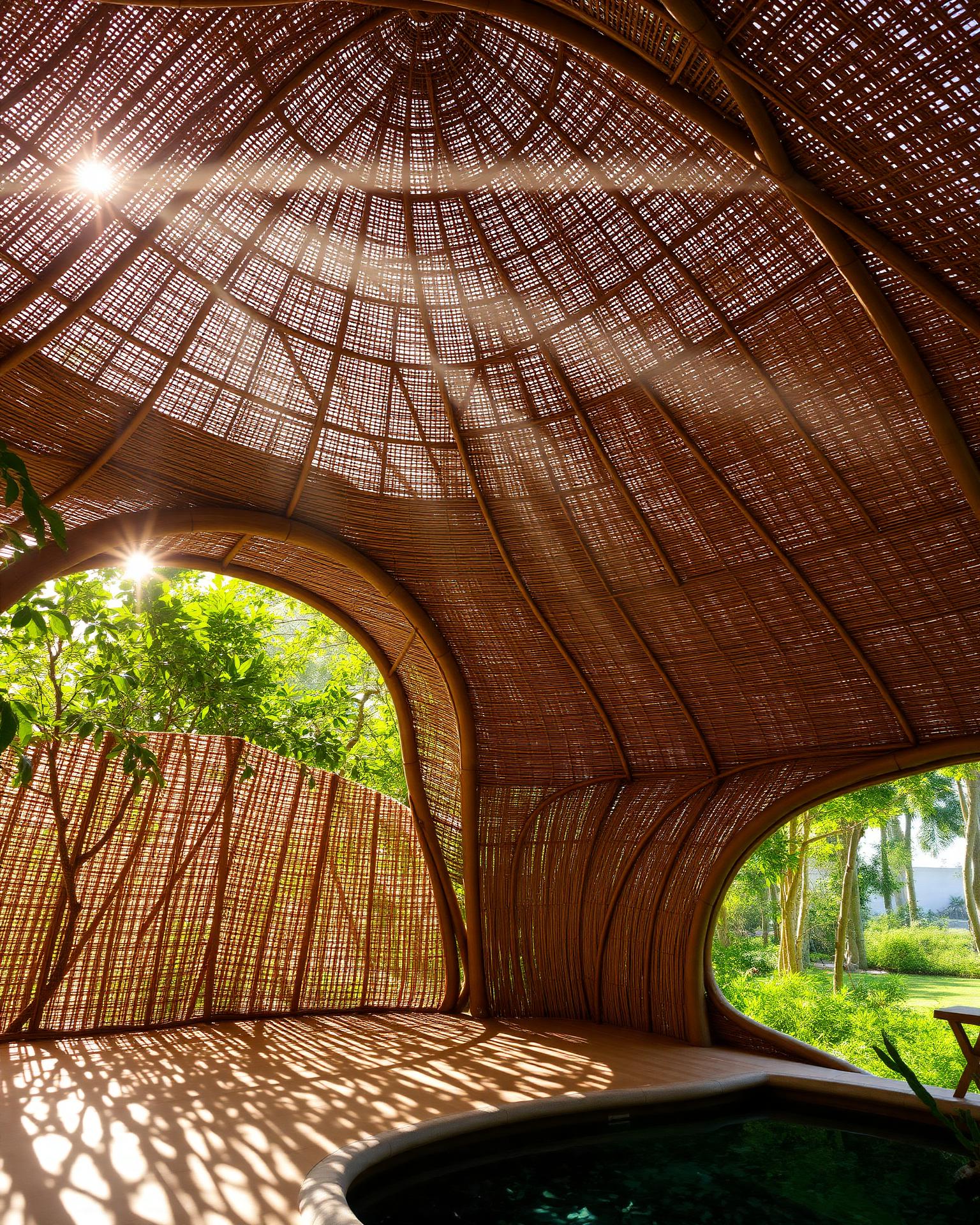
60% of structure
Bamboo
Locally cultivated golden and muli bamboo, borax-treated. Tensile-strong, harvested every three years.
An experimental laboratory in low-cost eco construction — bamboo, earth, recycled wood and stone, designed in conversation with foreign experts and the craftspeople of the delta.
Aranya's architecture is not a style. It is a method — borrowed from the kuthi-bari, refined with contemporary detailing, and stress-tested in the wettest, hottest months of the year. Every choice is measured against three quiet questions.
If the resort closed tomorrow, the wetland could re-claim every site within one growing season.
Every detail is buildable with hand tools, by the people who live within walking distance.
Every drawing is open-source. The point is not Aranya. The point is the method.
02
centuries — lime plaster lifespan
14 m
woven bamboo vault span
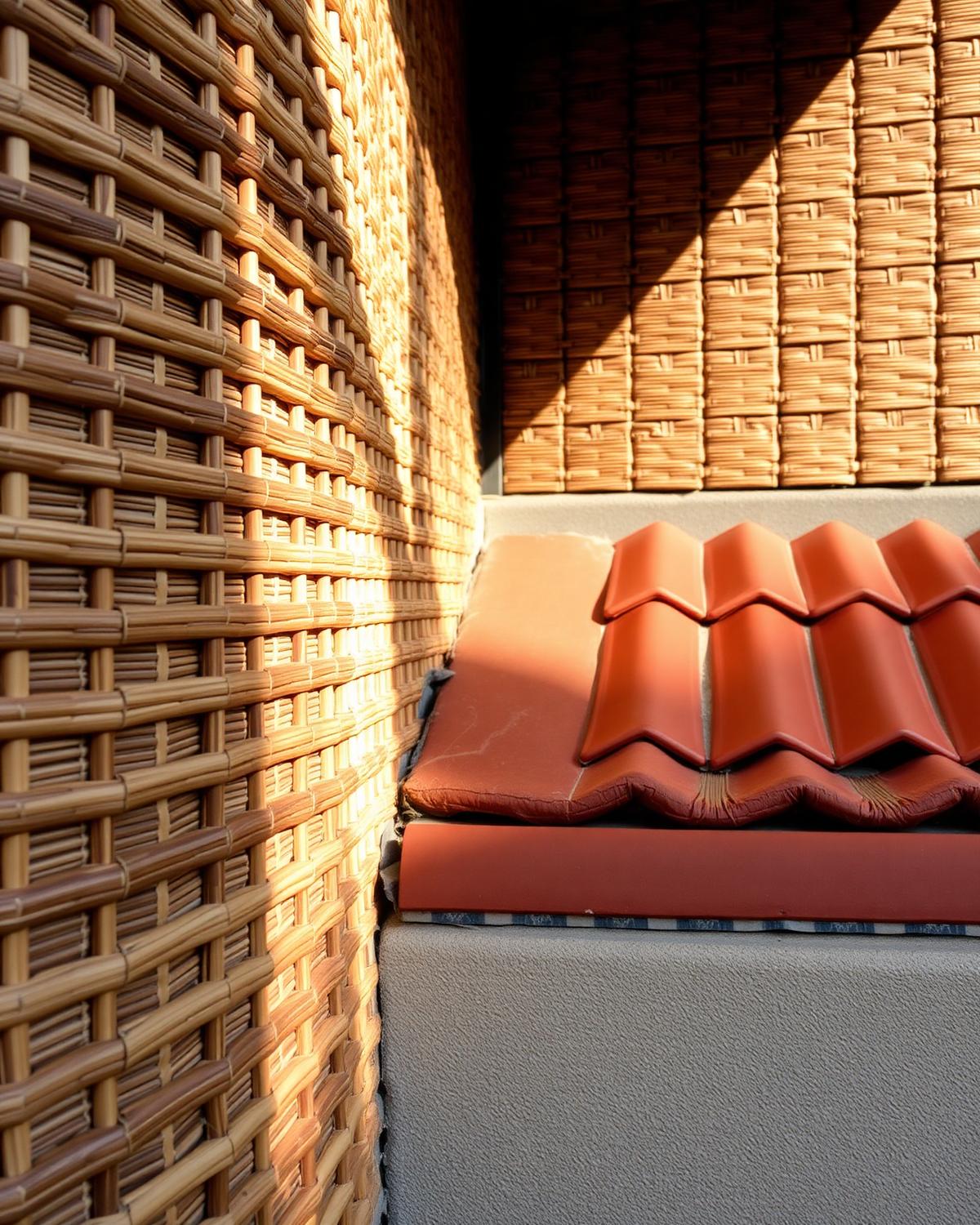
Nothing arrives in a sealed sack from a factory. Each material is grown, pressed, woven or quarried inside a sixty-kilometre radius.
Hover · examine
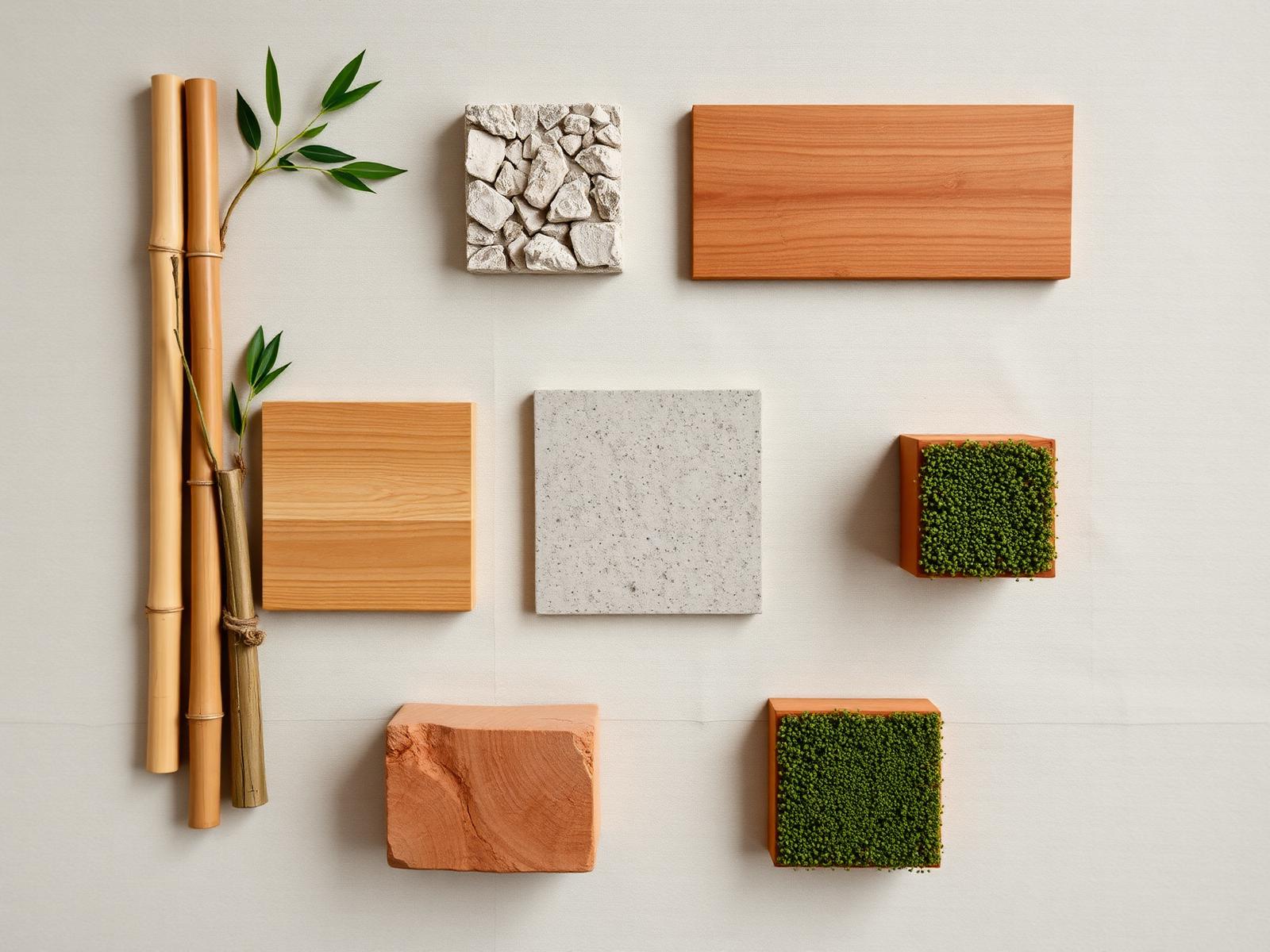
Locally cultivated golden and muli bamboo, borax-treated. Tensile-strong, harvested every three years.
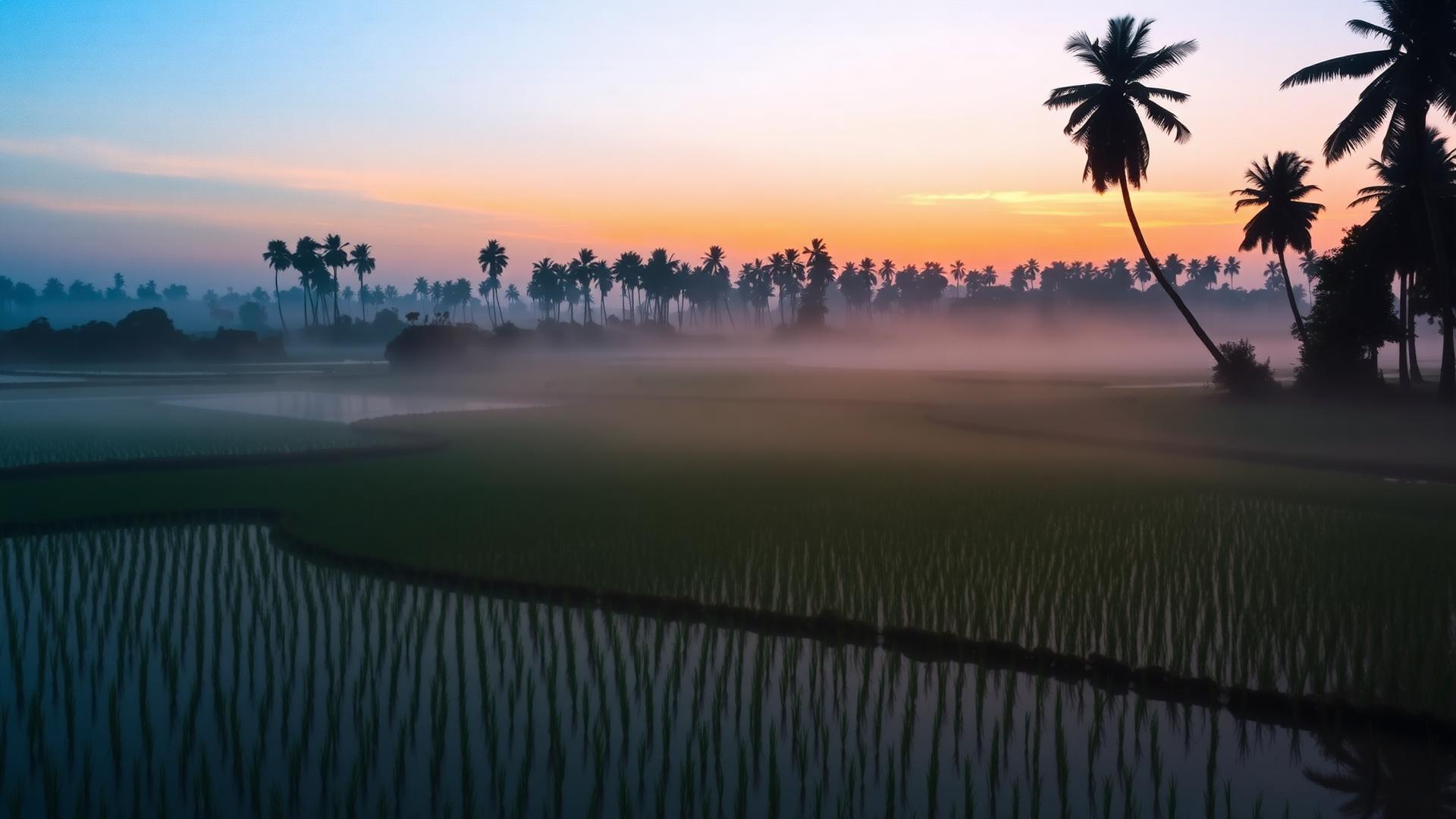
Compressed stabilised earth blocks, pressed on site from delta clay and rice husk. Zero firing.
Reclaimed teak and sal from decommissioned boats, jetties and village houses across the region.
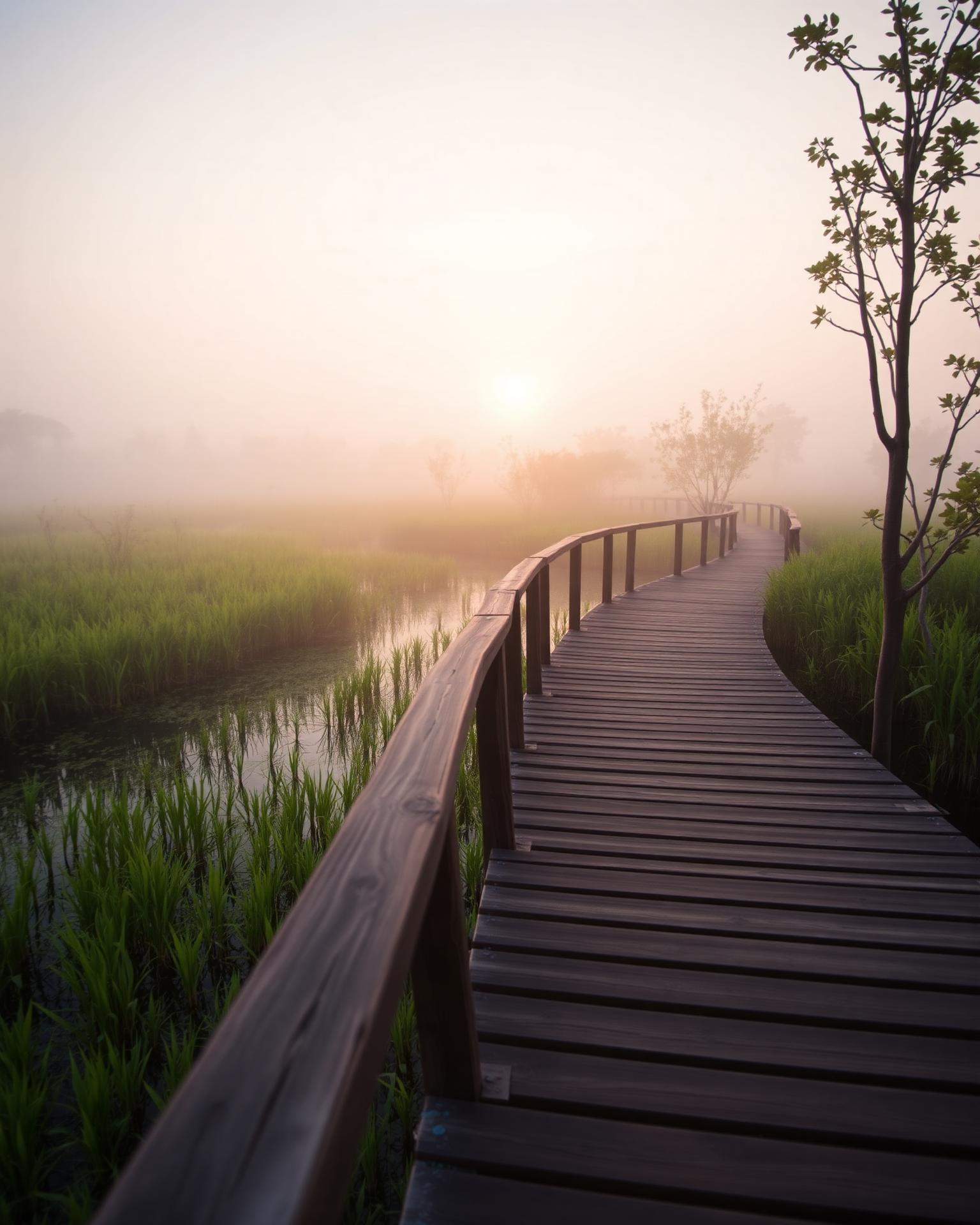
Sylhet river-bed stone, dry-stacked. No mortar. Foundations the rain can move through.
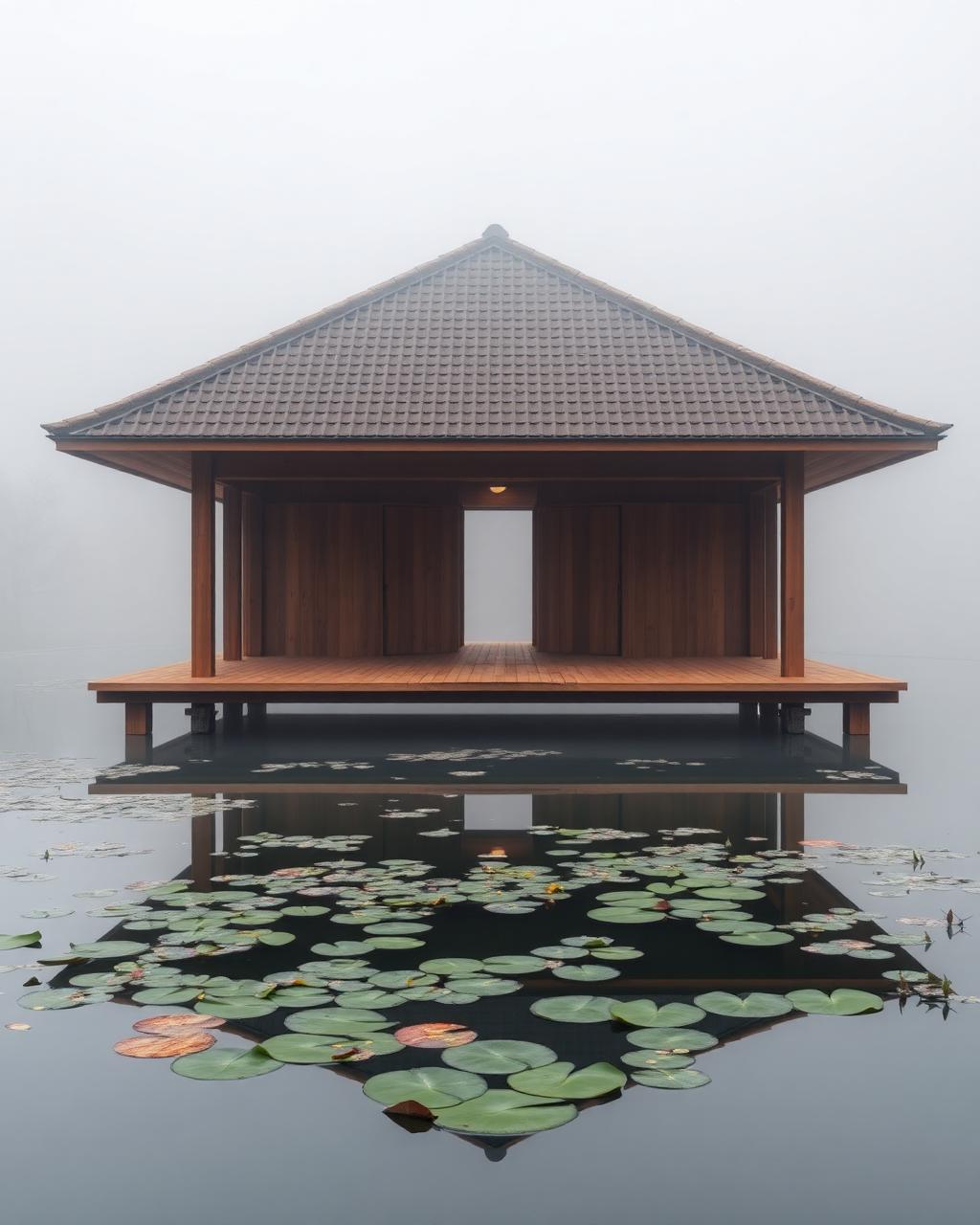
Layered golpata palm leaf over woven bamboo battens. Cool, breathable, replaceable in a day.
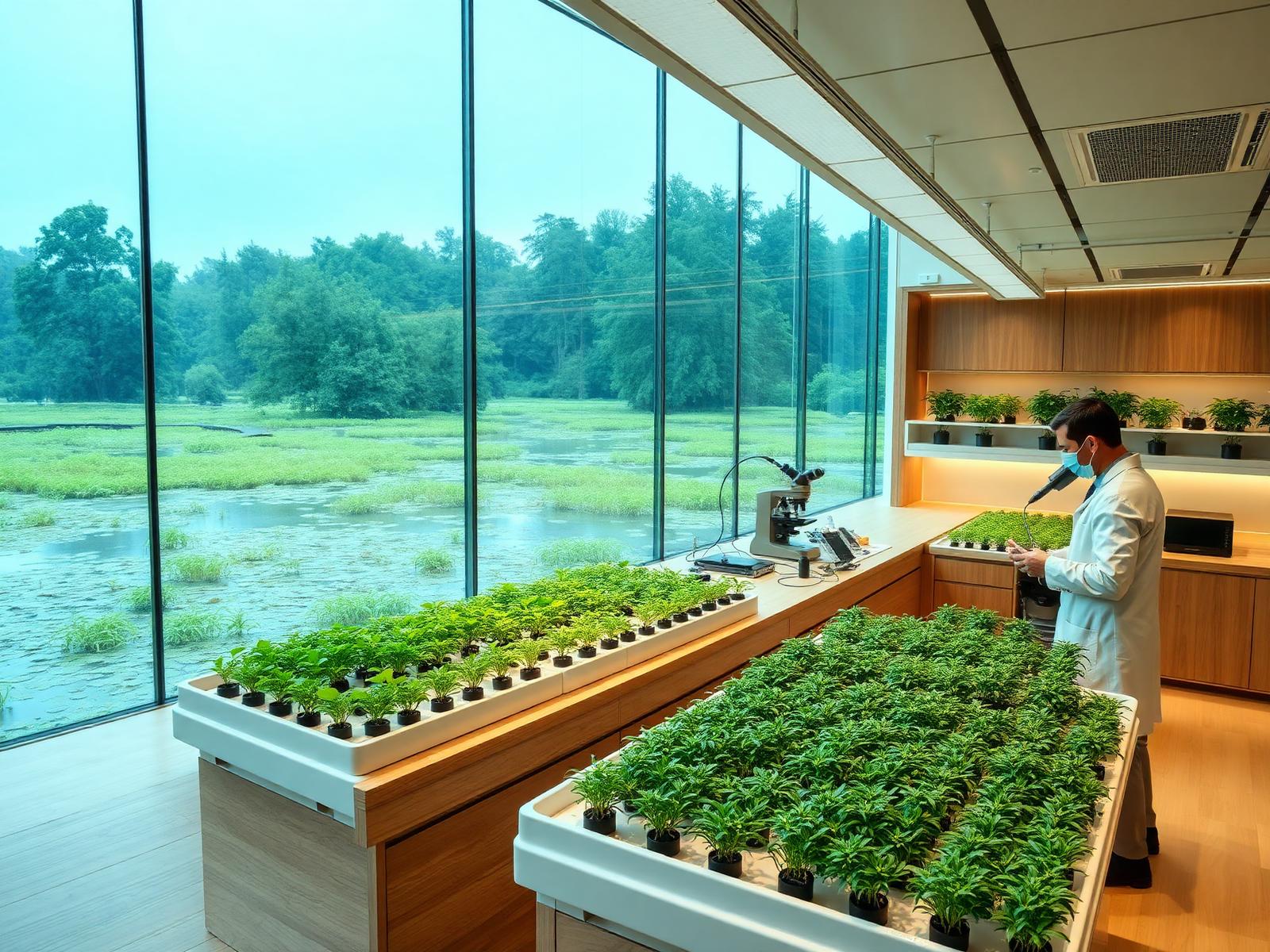
Grown in the lab from rice-straw substrate. Composts back to soil at end of life.
Stone piers and bamboo pontoons. Every structure is reversible — the land can return to wetland in a single season.
Bamboo vault spans of up to 14 m, woven on the ground and lifted in a single day with rope, pulley, and the whole village.
Self-healing hydraulic lime plaster over earth-block walls. Breathable, two-century lifespan, no VOCs.
Every junction, joint and section drawing published on our public archive. Free to copy. Free to improve.
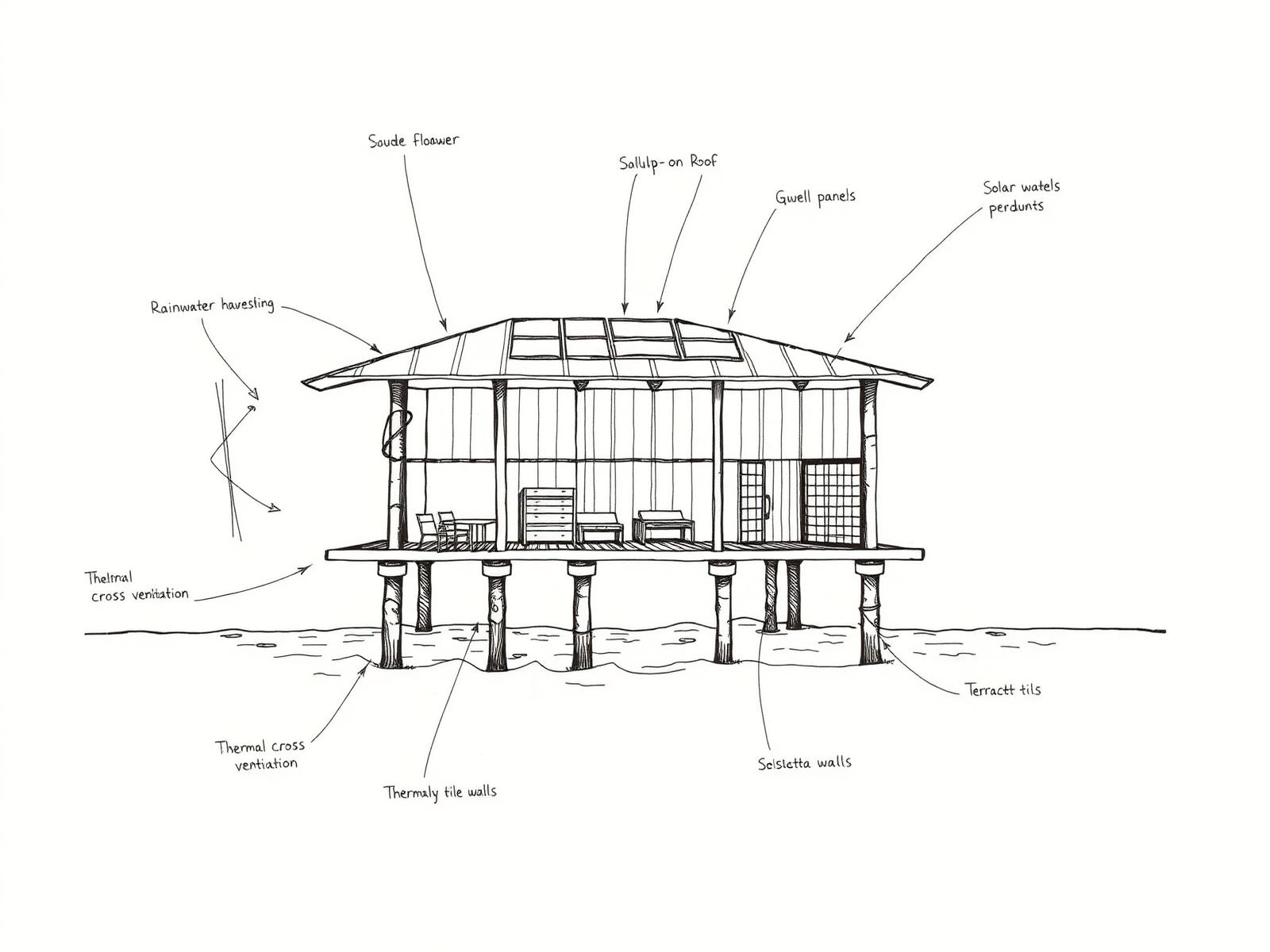
Drawn by the village carpenter. Annotated by the Copenhagen studio.
The wetland is hot, wet and exacting. We design with it — not against it. Eighty percent of cooling, shading and water comes from the building itself.
−6°C
Through-draft cooling via opposing louvres at floor and ceiling height.
−4°C
1.8 m eaves block monsoon sun while keeping diffuse light.
100%
11,000 L cisterns per pavilion. Enough for the dry months.
112%
Roof-integrated PV exceeds operational load; surplus to the village grid.
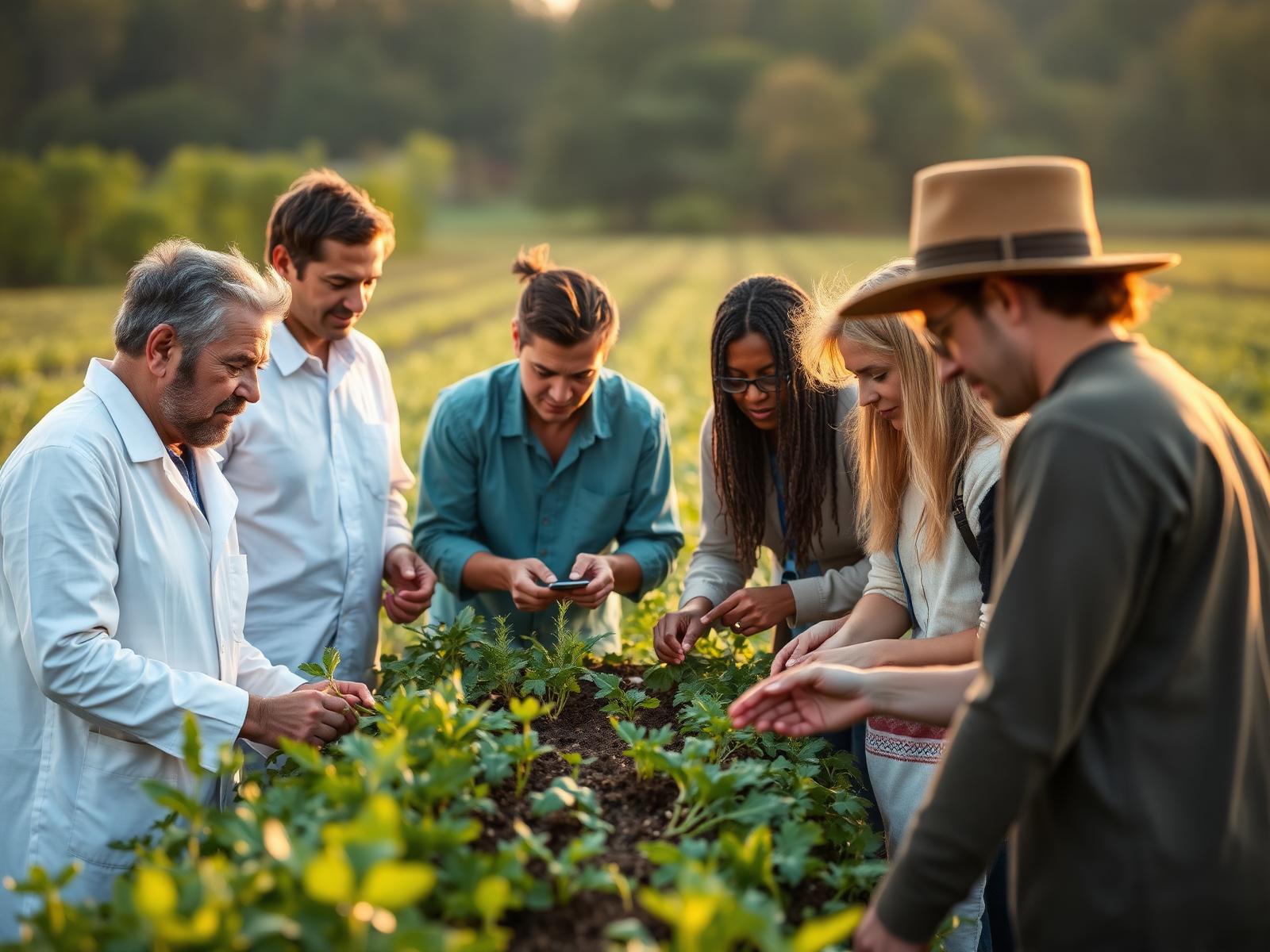
Aranya is built in dialogue. A rotating cohort of architects, engineers and material scientists work alongside village craftspeople — not as consultants, but as co-authors.
Marina Tabassum
Architect · Dhaka
Studio BIG
Practice · Copenhagen
Ibuku Lab
Practice · Ubud
Wageningen UR
Research · Netherlands
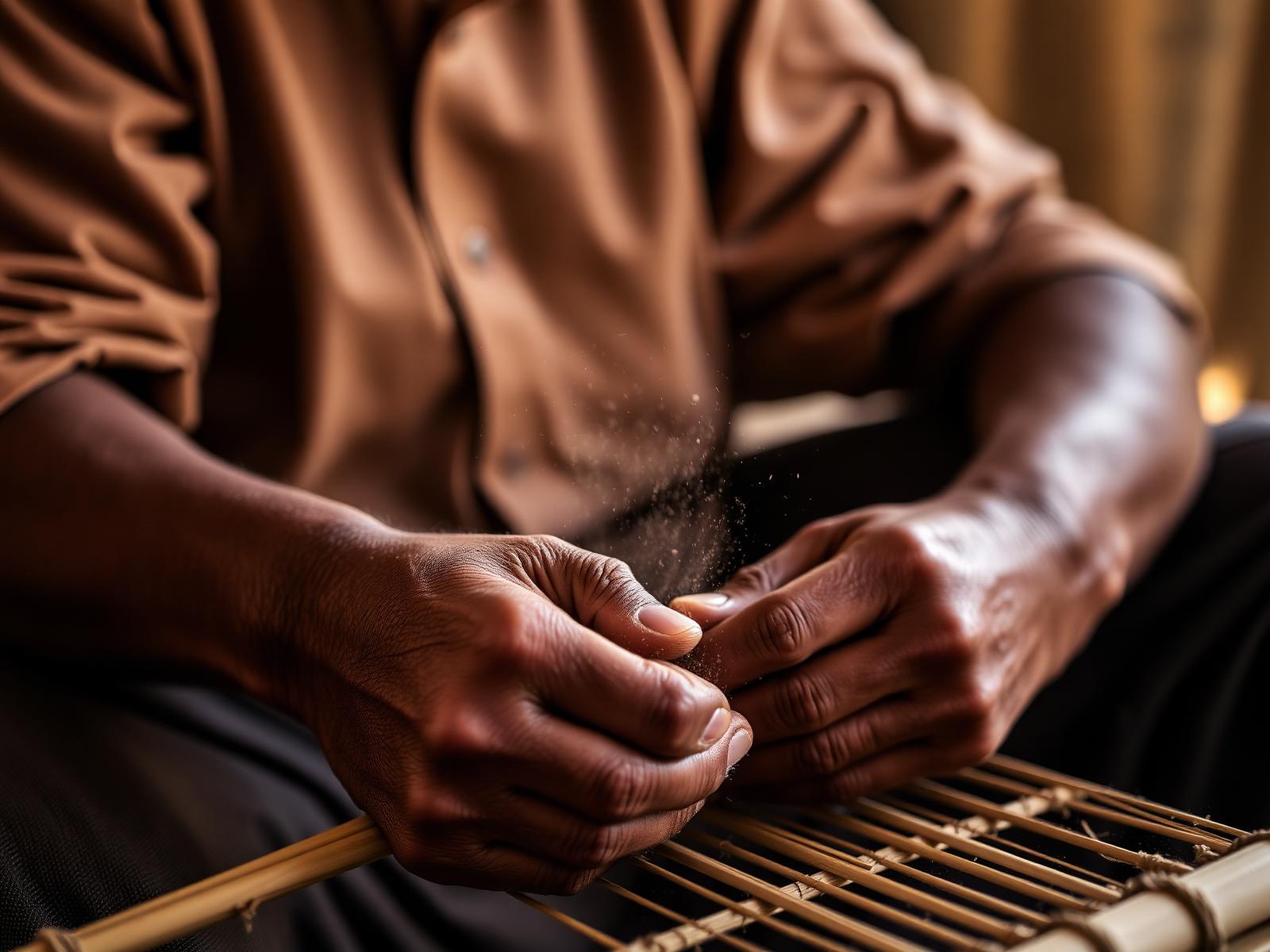
Every weaver, mason, carpenter and potter on the project lives within fifteen kilometres. Wages are set above the regional average — and a share of every booking returns to the craft cooperative.
47
Artisans
15 km
Max radius
1.7×
Above avg wage
Every figure below is audited annually by an independent assessor and posted to our public archive — alongside the raw data behind it.
−118%
Carbon
Annual offset vs operations
94%
Local materials
Sourced within 60 km
0 kg
Concrete & steel
Across every structure
47
Village craftspeople
Employed year-round
“The point of Aranya is not Aranya. The point is the method — and the method is yours to take.”
— From the open archive, vol. iii